2026 BIA Invasive Species Grant Ideas
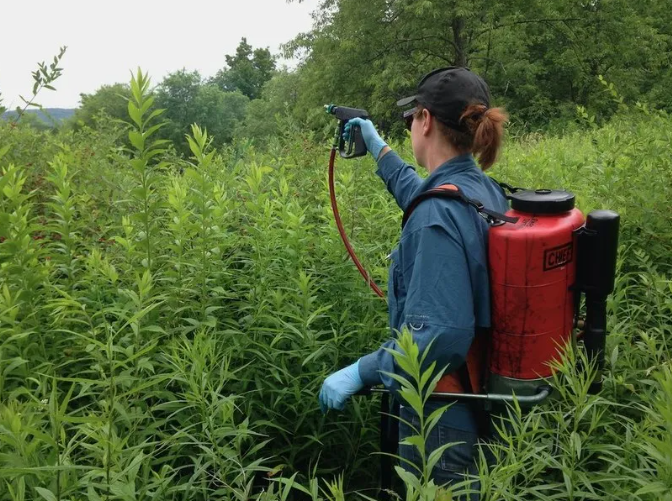
This has been a consistent grant that the BIA keeps funding every year so I think we should keep it relatively the same. I did add a component to include finishing the invasive plant survey mapping work of the new 1,200 state park lands and conduct a wetland aquatic invasive plant survey. So far, the Tribe’s Invasive Species Management Plan only addresses terrestrial plants. Estimated Total of Objectives Below: $76,000.
Objective #1: Spot Spray 15 pioneer species
If treated immediately, these pioneer species can be effectively removed before they become a permanent infestation. The pioneer species targeted for treatment are chickweed, creeping bellflower, field bindweed, hairy vetch, herb sofia, hoary alyssum, Japanese barberry, lambs quarters, leafy spurge, oxeye daisy, queen Anne’s lace, Russian olive, tufted vetch, white champion, white mulberry.
Estimated Cost: $18,000

Objective #2: Spot Spraying of 7 High Priority Plant Species
The invasive species management plan categorized the invasive plants present into high, medium, and low priority. Those species that have been determined to be high priority would be the focus of treatment in order to stop their continued spread.
Estimated Cost: Approximately $23,000
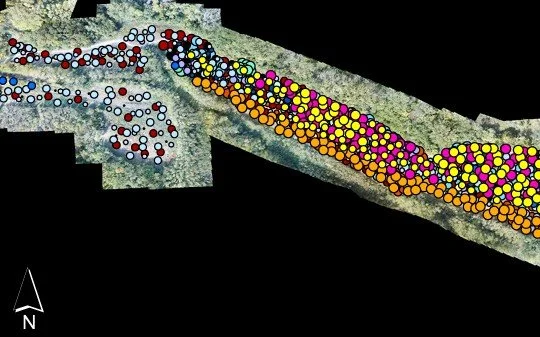
Objective #3: Develop interactive location-based maps of invasive plant species
the Tribe will utilize the survey data to develop interactive, geospatially referenced maps identifying the location, distribution, and density of invasive plant species across the project area. These maps will allow contractors to view their real-time location in relation to designated treatment sites while in the field. This approach will enable contractors to quickly and efficiently locate pioneering invasive species, prioritize treatment areas, and implement a strategic, coordinated plan of attack. The use of interactive mapping technology will improve treatment accuracy, reduce time spent locating infestations, and increase the overall effectiveness of invasive species management efforts.
Estimated Cost: Approximately $15,000
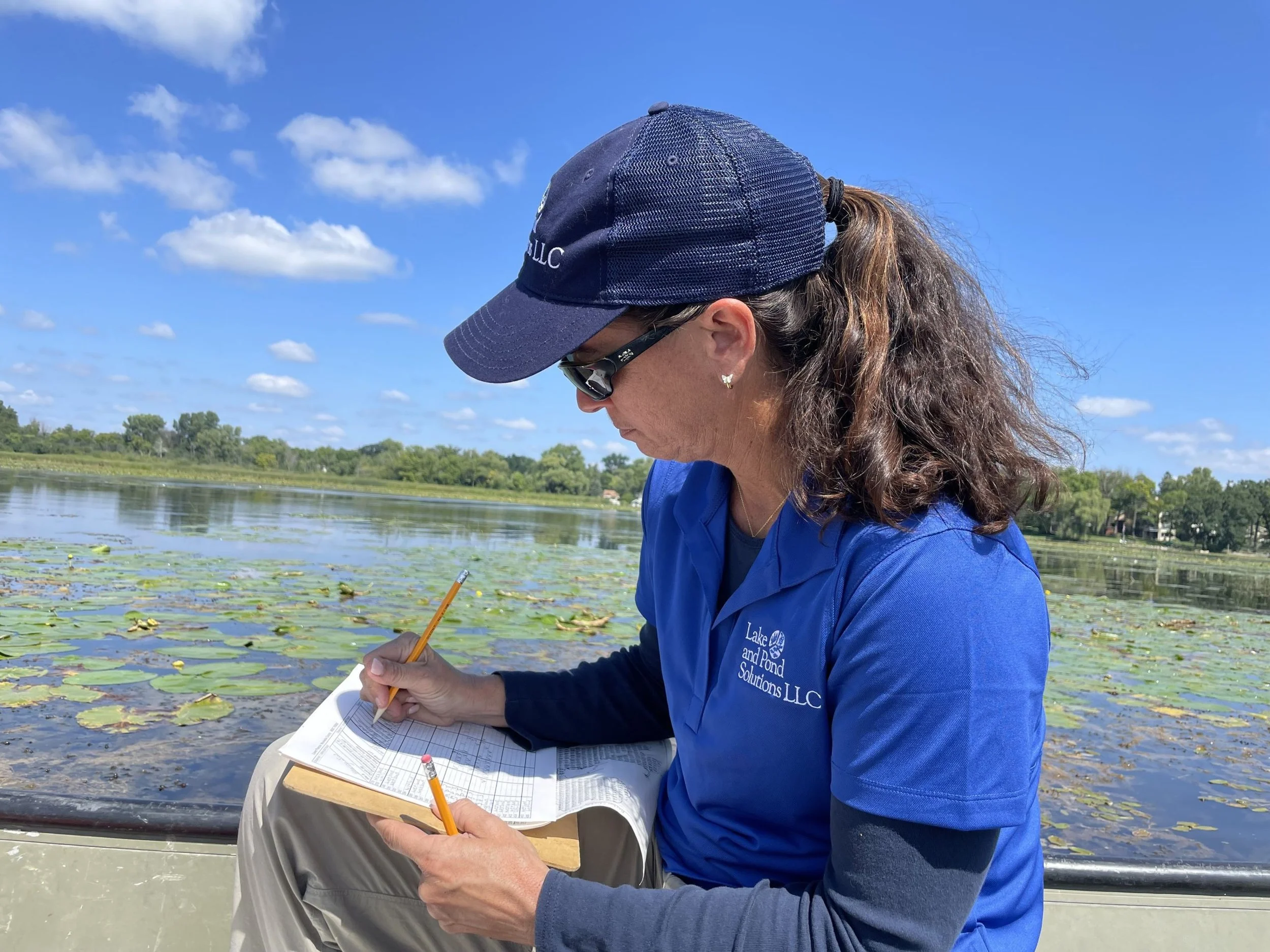
Objective #4: Survey of Invasive Aquatic Wetland Plants
Conduct a comprehensive aquatic invasive plant species survey across all wetlands on the reservation in order to strengthen future invasive species treatment and management efforts. This project will establish baseline data on the presence, distribution, and density of aquatic invasive plants using standardized field surveys, GPS mapping, and photo documentation. Historically, invasive plant monitoring and management efforts have focused exclusively on terrestrial species, leaving a critical information gap in aquatic systems. As a result, treatment decisions for wetlands and riverine habitats have not been addressed. This project directly addresses that gap by including attention to aquatic ecosystems that are vital for water quality, wildlife habitat, and cultural use. Survey results will be used to prioritize treatment areas, select appropriate control methods, and guide long-term management planning. The aquatic plant surveys will follow the State of Minnesota’s wetland Index of Biological Integrity that will provide a wetland health score that will also direct future wetland restoration work. By building internal capacity and improving data-driven decision-making, the Tribe will be better equipped to protect and restore aquatic resources for future generations.
Estimated Cost: Approximately $20,000